
If your child plays sports, you’ve probably heard about athletes tearing their ACL. It’s one of the most common knee injuries seen in high school athletes across Maryland, especially in soccer, football, basketball, and lacrosse.
When a teenager tears their ACL, it can be an emotional moment for both the athlete and their parents. Understanding how the injury happens, what recovery involves, and how to prevent it can make a big difference in helping your child return to the sport safely.
What Is the ACL?
The anterior cruciate ligament (ACL) is one of the main ligaments that stabilize the knee joint. It connects the thigh bone (femur) to the shin bone (tibia) and helps keep the knee from shifting or twisting in ways it should not.
Most ACL injuries happen during non-contact movements. A player might plant their foot, twist sharply, or land awkwardly from a jump. Often there’s a popping sound or a sudden feeling that the knee gave out. Swelling usually appears within a few hours.
Signs That Could Indicate an ACL Tear
If your child injures their knee, these are the signs to look for:
• A popping sound or sudden shift in the knee
• Swelling that develops quickly
• Pain when walking or bending the knee
• Feeling of instability or the knee “giving out”
• Trouble returning to play or bearing weight
If any of these symptoms occur, schedule an appointment with a sports medicine specialist. Getting evaluated early helps confirm the diagnosis and prevents further injury to the joint.
We regularly see these types of injuries in young athletes at our offices in Towson, Bel Air, and Rosedale, treating patients from across Baltimore County, Harford County, Baltimore City, and nearby communities.
Why Teen Athletes Are More Likely to Tear Their ACL
Young athletes are still developing strength, coordination, and balance. When the muscles around the knee are not strong enough to support rapid movements, the ligament takes on more stress.
Other common factors include:
• Playing multiple sports without enough rest
• Weak hip or core muscles
• Fatigue during long practices or tournaments
• Poor landing or cutting technique
• Landing awkwardly or cutting too sharply
• A higher rate of ACL injuries among female athletes due to anatomy and alignment differences
The good news is that many of these risk factors can be reduced with proper strength training and attention to movement technique.
How to Help Prevent ACL Injuries
Parents and coaches can help lower the risk of ACL injuries by building strong, consistent habits early:
Warm Up Before Activity
Dynamic movements such as high knees, lunges, jump plyometrics, and light jogging help prepare the muscles for play.Strengthen Key Muscle Groups
Building strength in the hips, hamstrings, and core provides better stability for the knee.Focus on Form and Technique
Teach athletes how to land softly with knees bent and over the toes when jumping or cutting.Prioritize Rest
The body needs time to recover. Taking rest days helps prevent overuse and fatigue-related injuries.Use Proper Footwear
Choose sport-specific shoes that offer good support and traction for the playing surface.Listen to Pain Signals
If pain or swelling lingers, stop activity and get checked. Early evaluation prevents more serious injury later.
“ACL tears in young athletes aren’t just injuries—they’re life-altering moments. As a Sports Orthopaedic Surgeon, I can’t overemphasize the importance of prevention. Proper offseason conditioning, jump/landing training, and strengthening can save seasons. When injuries do occur, I employ the most up-to-date evidence-based techniques to help our athletes regain their confidence and return to their sports.”
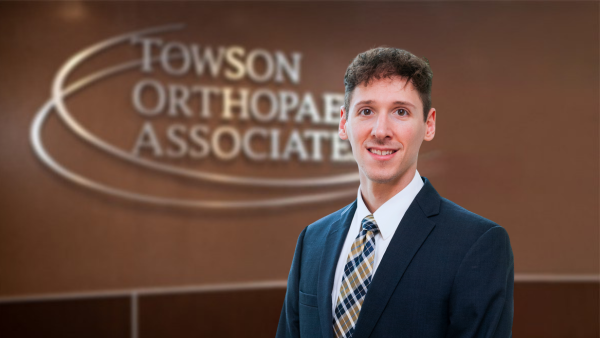
— Dr. Anthony Machi, Sports Orthopaedic Surgeon, Towson Orthopaedic Associates
This article was reviewed by Dr. Anthony Machi, Sports Medicine Specialist at Towson Orthopaedic Associates, to ensure medical accuracy and reflect current best practices in ACL injury management.
Treatment and Recovery
Not every ACL tear requires surgery, but for competitive athletes or complete tears, surgery is often the best option to restore full function. The goal is to repair or reconstruct the ligament and then gradually strengthen and stabilize the knee through rehabilitation.
A typical recovery timeline looks like this:
• Weeks 1–6: Reduce swelling, regain range of motion, and start gentle strength work.
• Months 2–4: Build muscle strength, balance, and control.
• Months 4–6: Begin sport-specific training and agility drills.
• Months 6–9: Regain neuromuscular control and optimize sport-specific training.
• Months 9–12: Gradual return to full play once cleared by your care team.
Consistency in physical therapy and patience with the process are critical. Athletes should not return to competition before 9–12 months. Rushing recovery can lead to setbacks or reinjury.
How Parents Can Support Recovery
Support at home plays a huge role in a successful outcome. Encourage your child to stay engaged with their rehab plan, maintain a positive attitude, and communicate openly about how they feel. Stay connected with the care team so any new pain or concerns can be addressed early. Recovery takes time, but with the right approach, most athletes return to the sport stronger than before.
When to See a Specialist
If your child’s knee remains swollen, unstable, or painful after an injury, do not wait. Early evaluation leads to faster recovery and fewer long-term problems.
We treat ACL injuries and other sports-related knee conditions at our offices in Towson, Bel Air, and Rosedale. Our team proudly serves patients throughout Baltimore County, Harford County, Baltimore City, and nearby communities.
Schedule an Appointment
Whether your child needs an evaluation, a second opinion, or guidance on returning to play, our sports medicine specialists at Towson Orthopaedic Associates are here to help.
Schedule an appointment today to learn more about ACL injury treatment and prevention.
Featured Physician: Dr. Anthony Machi
Board-Eligible Orthopaedic Surgeon – Specializing in Sports Medicine and Joint Preservation
Dr. Anthony Machi is a board-eligible orthopaedic surgeon specializing in sports medicine, joint preservation, and minimally invasive arthroscopic procedures of the knee, shoulder, and hip. Known for his precise, patient-centered approach, Dr. Machi blends advanced surgical training with a strong emphasis on non-operative care whenever possible.
His areas of expertise include:
ACL and ligament reconstruction
Meniscus and cartilage repair
Shoulder instability and rotator cuff treatment
Hip impingement and labral repair
Whether he’s guiding a high school athlete through ACL recovery or helping an adult return to recreational sports, Dr. Machi’s goal is simple: help patients stay active, perform confidently, and return to what they love without pain holding them back.