

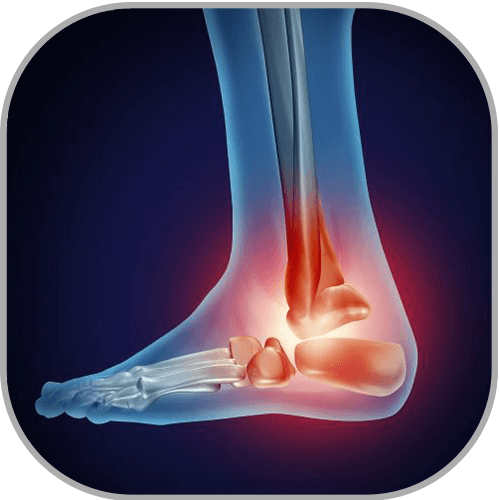
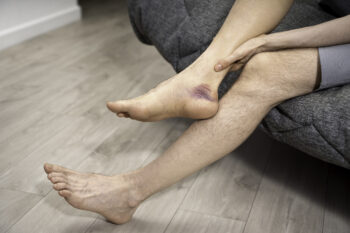
Lower extremity trauma refers to injuries involving the hip, thigh, knee, leg, ankle, or foot. These injuries can result from falls, sports accidents, motor vehicle collisions, or workplace incidents. Depending on severity, trauma can range from sprains and contusions to complex fractures and joint injuries. Because the lower extremities are vital for mobility and weight-bearing, prompt diagnosis and treatment are critical to restoring function and preventing long-term complications.
Causes and Risk Factors
Common causes of lower extremity trauma include:
Falls from standing height or greater
Sports injuries, particularly contact or high-impact activities
Motor vehicle accidents
Work-related accidents and crush injuries
Osteoporosis or weakened bone structure increasing fracture risk
Symptoms
Symptoms vary depending on the location and severity of the trauma but may include:
Immediate pain and swelling
Bruising or visible deformity
Inability to bear weight or walk
Restricted range of motion
Numbness or tingling if nerves are affected
Diagnosis
Diagnosis begins with a physical examination and review of symptoms. Imaging studies such as X-rays, CT scans, or MRIs are often necessary to evaluate fractures, ligament injuries, or soft tissue damage. In complex cases, advanced imaging may be required to plan surgical treatment.
Treatment
Treatment depends on the type and severity of injury:
Non-Surgical Options
- Immobilization with casts, splints, or braces
- Pain management and anti-inflammatory medications
- Physical therapy to restore strength and mobility after initial healing
Surgical Options
When fractures are displaced, unstable, or involve a joint surface, surgery may be necessary to restore alignment and stability. Techniques may include internal fixation with plates, screws, or rods, as well as reconstruction of damaged ligaments or tendons.
Recovery & Prevention
Recovery time varies but often involves a combination of rest, weight-bearing restrictions, and progressive physical therapy. Early intervention and proper rehabilitation are essential to restore function and prevent complications such as chronic pain, stiffness, or arthritis.