

Nerve compression in the lower extremity occurs when one of the major nerves in the hip, thigh, leg, or foot becomes irritated or trapped by surrounding structures. This can cause pain, tingling, numbness, or weakness in the affected area and often disrupts mobility. In some cases, compression is temporary and improves with rest, but more significant or chronic compression may require medical treatment.
Causes and Risk Factors
Compression can develop from repetitive motion, prolonged postures that place stress on the nerves, or traumatic injuries such as fractures. Sports and occupational activities that involve frequent bending or squatting increase the risk, as do medical conditions like arthritis or soft tissue swelling. Anatomical differences in nerve pathways can also make certain individuals more vulnerable.
Common Conditions
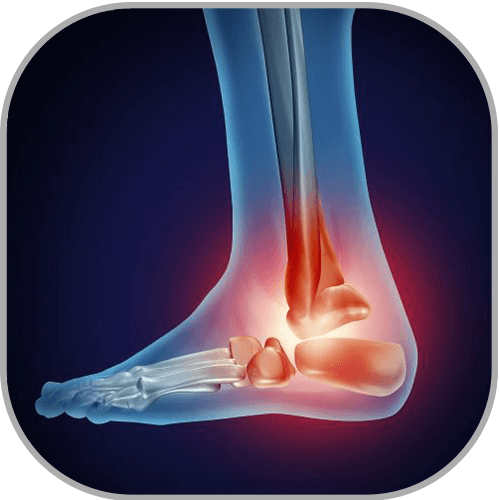
Several types of nerve compression affect the lower extremity. Meralgia paresthetica results from pressure on the lateral femoral cutaneous nerve, causing burning or tingling in the outer thigh. Peroneal nerve compression, which often occurs around the knee, can lead to weakness or foot drop. Tarsal tunnel syndrome involves compression of the tibial nerve at the ankle, producing pain and tingling in the sole of the foot. Sciatic nerve compression, frequently referred to as sciatica, causes radiating pain down the leg and may arise from spinal or deep gluteal causes.
Symptoms
Patients with nerve compression may notice numbness, tingling, burning pain, or muscle weakness in the affected limb. Symptoms often worsen during specific activities or positions, and in more advanced cases, walking or maintaining balance may become difficult.
Diagnosis
Diagnosis typically begins with a physical exam and a detailed review of symptoms. Nerve conduction studies and electromyography (EMG) can measure how well the nerves are functioning, while imaging such as X-rays, MRI, or ultrasound may be used to identify the precise site of compression or rule out structural causes.
Treatment
Management depends on the severity and the nerve involved. In many cases, non-surgical care is effective. This may include rest, modification of activities, medications to reduce inflammation, bracing or padding, and physical therapy designed to improve flexibility and strengthen supporting muscles. If conservative measures fail and symptoms persist or worsen, surgical decompression may be recommended to relieve pressure on the nerve and restore normal function.
When to Seek Care
Persistent numbness, tingling, weakness, or pain in the leg or foot should be evaluated by a specialist. Early treatment can prevent permanent nerve injury and improve long-term mobility.